Roof Lights: Durable Roof Window Systems for Office Spaces
Seasonal Maintenance Tips for Roof Skylights: Keeping Your Home Bright Year-Round
Routine seasonal care of roof skylights is critical for sustaining their effectiveness and improving natural light throughout the home. Every season introduces distinct challenges that can impact both functionality and visual appeal. Consistent upkeep can help avoid problems like leaks, condensation, and heat-related damage. Understanding the specific tasks required for each season can guarantee that skylights continue to serve their purpose effectively. The sections ahead will provide important upkeep guidance tailored to every season.
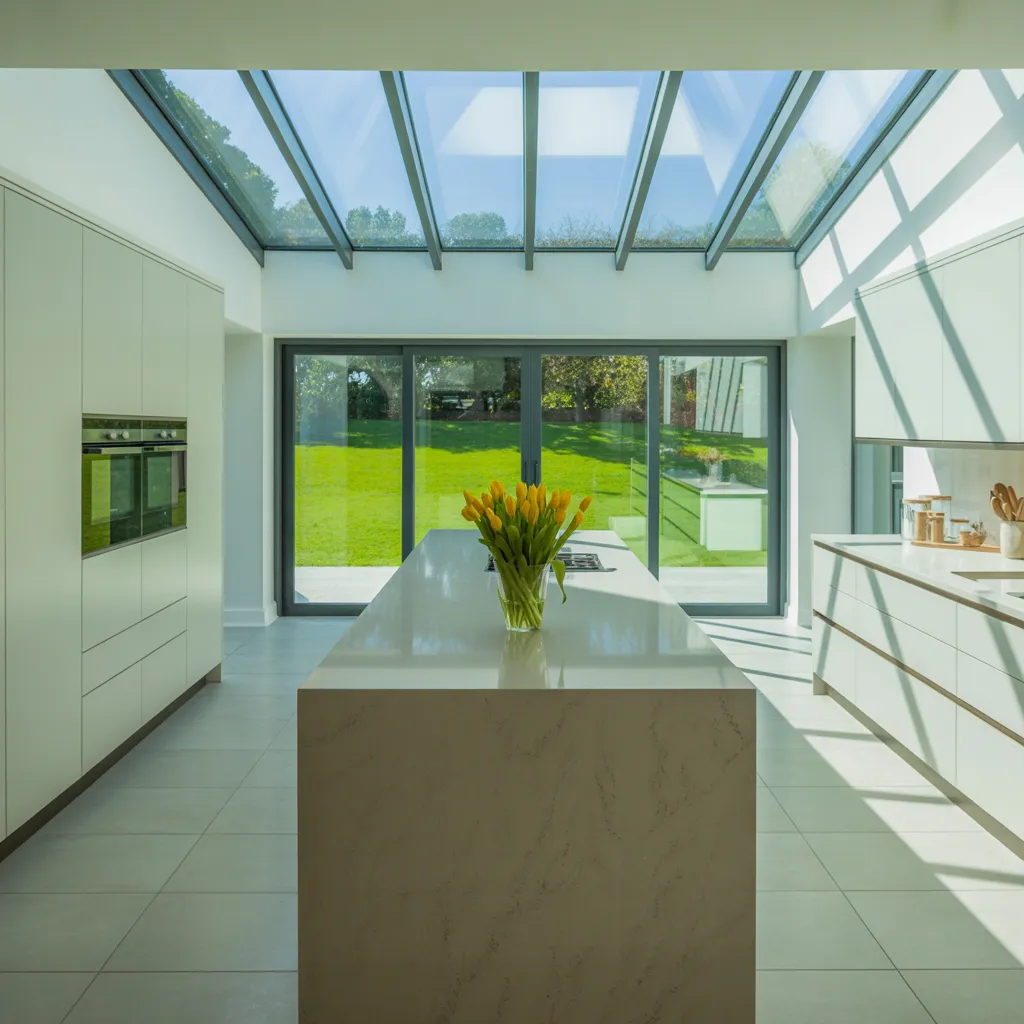
Why Routine Skylight Maintenance Is Important
Regular skylight maintenance is essential for maintaining the lifespan and effectiveness of these design components. As time passes, skylights may gather dirt, debris, and moisture, which could cause decreased light transmission and the risk of water leaks. Routine inspections help identify any signs of wear, such as splits or seals in need of renewal.
Keeping up with skylights not only boosts their appearance but also contributes to energy efficiency. Carefully maintained skylights can greatly reduce the need for electric lighting, thereby reducing energy costs. Furthermore, consistent maintenance can avoid expensive repairs in the future, protecting the integrity of the roofing structure.
Seasonal Challenges for Roof Skylights
Skylights encounter distinct challenges across the seasons, each bringing specific concerns that can impact their performance and integrity. In spring, intense rainfall can cause leaks when seals become damaged, while pollen accumulates, obscuring light. Summertime delivers harsh heat alongside significant UV rays, that can deteriorate the structural components over time, possibly resulting in fading or structural distortion.
As autumn sets in, dropping leaves and debris may clog drainage systems, increasing the risk of water pooling. Winter's cold temperatures bring their own challenges; snow and ice may build up, placing excess weight and creating structural stress. Furthermore, cold temperatures can result in moisture accumulation, amplifying the potential for mold and mildew formation.
Recognizing these periodic issues is essential for description home occupants to confirm their skylights continue to be bright, functional, and undamaged throughout the calendar year. Precautionary strategies can reduce these potential issues, maintaining both visual appeal and functionality.
Fall Skylight Care: Eliminate Debris and Winterize Your Skylights
As the autumn leaves begin to drop, homeowners should make skylight maintenance a priority to ensure optimal performance during the winter months. Accumulated debris, such as leaves and twigs, may obstruct sunlight and cause potential water damage. Cleaning the skylight frames and surrounding areas is essential to ensuring proper drainage and preventing blockages.
Homeowners should also inspect the flashing and seals around the skylights for signs of deterioration or damage. Installing new seals in place of worn ones can assist in preserving energy efficiency and avoiding leaks during harsh winter weather. Furthermore, eliminating any moss or algae buildup is essential, as these can exacerbate deterioration over time.
Winter Skylight Preservation: Controlling Condensation and Ice Development
Cold weather care of skylights is vital for eliminating condensation and frost buildup. Reliable insulation and sealing strategies can considerably decrease moisture collection, while routine cleaning habits help preserve optimal functionality. Moreover, applying freeze prevention techniques keeps skylights clear and fully functional across the coldest months.
Insulation and Sealing Strategies
Adequate insulation and efficient sealing are essential for preserving skylight performance throughout the colder season, as they help prevent condensation and ice buildup. Homeowners ought to initially evaluate the insulating materials around the skylight. Applying superior, energy-efficient insulation can limit heat loss, decreasing the probability of condensation. Additionally, weatherstripping should be applied around the edges of the skylight to form a firm seal, stopping cold air from entering the area. Homeowners might also explore using insulated blinds or curtains to provide an extra layer of protection against temperature fluctuations. Consistently checking these areas for deterioration and damage is essential, as even minor gaps can result in serious moisture problems. Proper insulation and sealing guarantee skylights remain functional and energy-efficient throughout winter.
Consistent Cleaning Practices
Maintaining clean skylights is a key component in reducing condensation and frost accumulation during colder months. Routine cleaning eliminates dirt, particles, and buildup that can retain moisture, causing condensation to form on the inside surface. Homeowners should aim to clean skylights a minimum of two times throughout winter. A gentle cloth or soft sponge, along with a mild soap solution, can effectively eliminate grime without damaging the glass surface. Homeowners should also check for any indications of wear or damage in the seals of the skylight during cleaning. Keeping the exterior free by snow or ice is crucial, as this encourages adequate drainage and airflow. These maintenance practices greatly help to maintaining a bright, inviting atmosphere indoors during the winter months.
Frost Protection Methods
To stop frost from developing on skylights throughout the colder months, homeowners can implement several effective strategies. First, maintaining proper insulation around the skylight will support stable indoor temperatures, reducing the risk of condensation. Additionally, opting for insulated or multi-glazed skylights can significantly reduce heat transfer. Homeowners should also consider installing a skylight vent, which can improve ventilation and lower humidity inside the home. Regularly checking and repairing weather stripping is essential to block cold air and moisture from entering. Beyond that, sustaining a uniform indoor climate can help stabilize humidity, thereby reducing frost formation. By employing these strategies, homeowners can reliably prevent frost formation and confirm their skylights continue to perform well and remain frost-free all winter long.
Springtime Skylight Upkeep: Inspect and Clean Your Skylights
With the arrival of spring, it is important for homeowners to consider skylight maintenance, ensuring these features continue to perform well and look attractive. The new season provides an excellent opportunity for a thorough inspection and cleaning. Homeowners should begin by examining the skylight for any indications of damage, such as splits or water infiltration, which could lead to more significant issues if not promptly addressed.
Following this, cleaning the skylight's surface is vital for the best possible light entry. A blend of mild detergent and water can easily wash off contaminants and particles. Care should be taken to steer clear of abrasive cleaners that can compromise the glass or frame.
Additionally, checking the seals and flashing around the skylight guards against water intrusion. Any wear or degradation should be addressed promptly. By focusing on these tasks in the spring season, homeowners can rest assured their skylights remain an enhancement to their interior spaces throughout the year.
Seasonal Skylight Care: Shielding Against Heat and UV Rays
Throughout the summer season, skylight maintenance is critical for safeguarding interiors against excessive UV rays and heat. Property owners should look into applying UV-blocking window films to their skylights, which can considerably decrease glare and protect against fading of furniture and decor. Regular inspections for any signs of wear or damage to seals and frames are essential; compromised seals can lead to thermal infiltration and higher energy expenses.
Furthermore, integrating exterior shading options, such as overhangs or screens, can be advantageous in limiting excessive sun infiltration. It is also advisable to ensure sufficient air circulation in the space beneath the skylights to help regulate temperature and reduce heat buildup. By implementing these preventive steps, residents can preserve a pleasant interior atmosphere while taking advantage of the daylight skylights deliver, ultimately enhancing their living spaces during the warm summer months.
Important Skylight Upkeep Tips for All-Season Care
Routine skylight upkeep is crucial for ensuring durability and optimal performance all year long. Homeowners should begin by inspecting the skylights regularly for signs of leaks or damage, particularly after severe weather. Wiping down the glass and frames no less than twice per year assists in sustaining brightness and avoids debris buildup, which can impede natural light. Furthermore, inspecting and removing any waste materials from nearby areas, including leaves and twigs, can avert obstructions that result in water accumulation.
It is furthermore essential to verify that flashing is intact and properly sealed to avoid moisture infiltration. To improve energy efficiency, consider applying window film or shades to control indoor temperature and minimize UV exposure. Lastly, when any concerns are discovered, including cracks or notable deterioration, timely repair or expert advice is recommended to avoid more extensive damage. Regular monitoring of these factors will maintain skylight performance and improve the home's atmosphere.

Common Questions and Answers
How Often Do My Skylight Seals Need Replacing?
Skylight seals ought to be replaced at intervals of 5 to 10 years, depending on conditions and materials used. Scheduled inspections can help uncover deterioration, ensuring peak performance and preventing leaks, ultimately maintaining the skylight's functionality and appearance.
Am I Able to Install Skylights on My Own?
Installing skylights on your own is achievable for individuals with building knowledge, though it calls for careful planning and compliance with applicable building standards. Consulting professionals is advisable to confirm accurate setup and steer clear of potential issues stemming from water damage or structural concerns.
What Are the Most Energy-Efficient Types of Skylights?
The highest-performing energy-efficient skylights generally incorporate double or triple-pane glazing, Low-E coatings, and insulated frames. These components limit heat transmission, improve insulation, and lower energy costs while keeping ideal natural light levels within a home.
How Can I Select the Correct Skylight Size?
To determine the ideal dimensions skylight, you should assess the dimensions of the room, ceiling elevation, and the desired amount of light. A widely accepted guideline indicates a skylight size of 10 to 15 percent of the room's floor area for optimal brightness.
Are There Skylights That Can Open for Ventilation?
Yes, there are skylights designed for ventilation. These operable skylights can be opened manually or electronically, allowing fresh air to circulate while providing natural light, improving comfort levels and air quality throughout the living space.